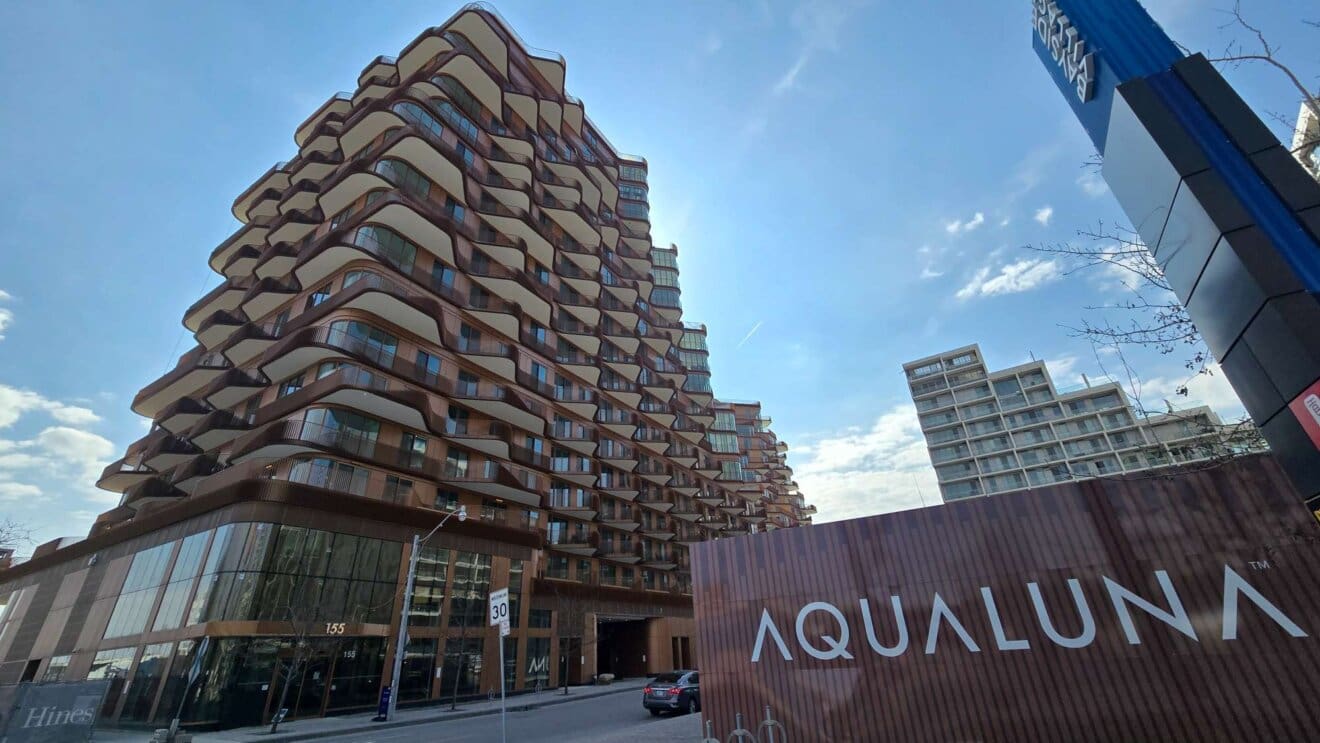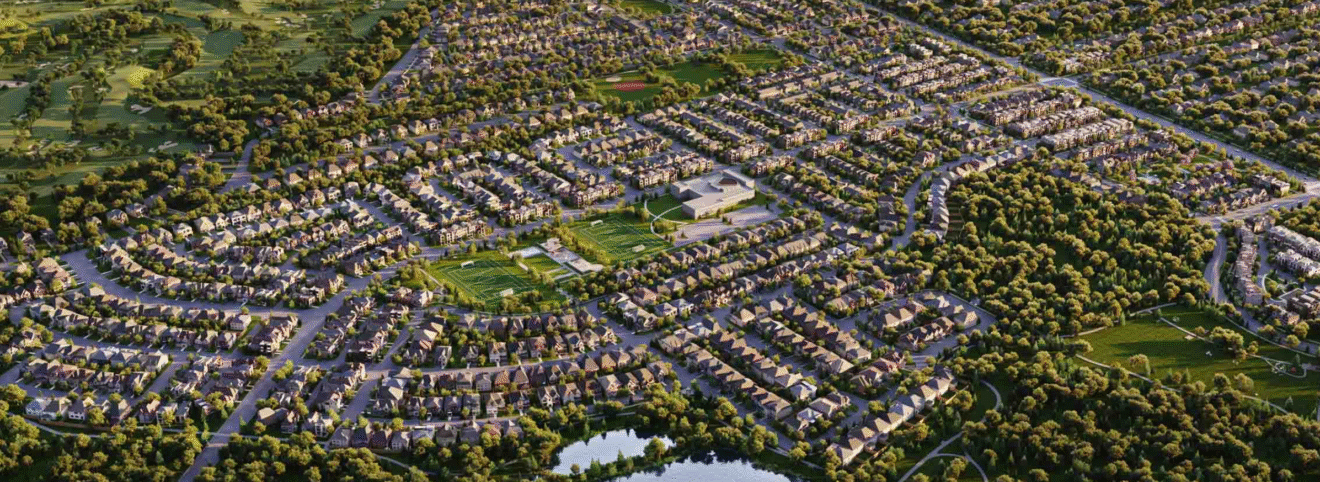



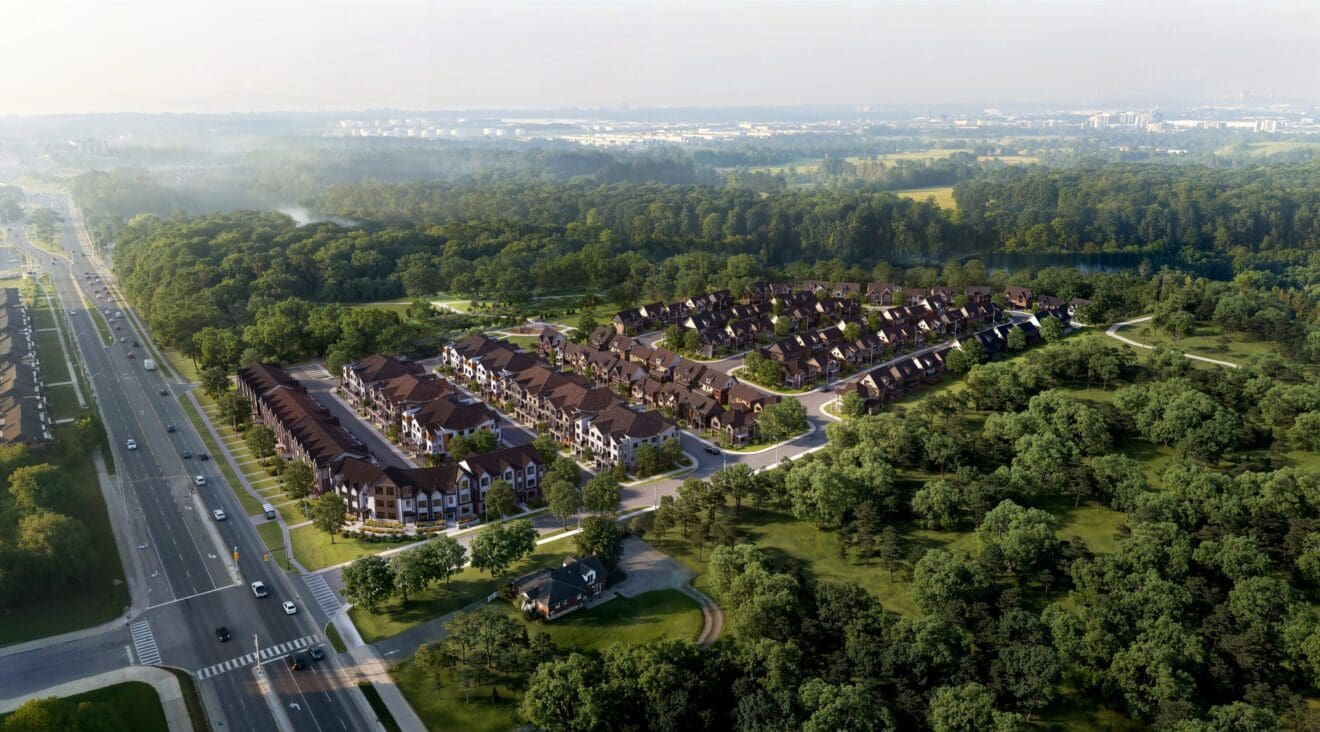
A Slower Market—But Not a Frozen One
The pre-construction markets across the GTA has clearly slowed.
Recent data shows historically low sales levels, fewer project launches, and a growing gap between supply and demand.
However, despite these conditions, some projects continue to generate interest and achieve steady sales.
This highlights a key shift in the market:
- it is no longer driven by broad demand, but by selective demand.
Demand Has Not Disappeared—It Has Changed
Buyers are still active in today’s market, but their behaviour has changed significantly compared to previous years.
Instead of making fast decisions based on market momentum, buyers are now taking a more cautious and analytical approach.
This includes:
- comparing multiple projects
- evaluating long-term value
- focusing on practical use rather than speculation
As a result, demand is now concentrated in specific types of properties and locations.
Location Has Become the Primary Decision Factor
In the current environment, location is the most important factor influencing buyer decisions.
Projects located in established, high-demand areas continue to perform better than those in emerging or less connected locations.
Key characteristics buyers are prioritizing include:
- access to major highways such as 404, 407, and QEW
- proximity to transit, including GO stations and subway lines
- established communities with schools, retail, and services
Markets such as Markham, Oakville, and transit-oriented areas in Toronto continue to attract consistent attention due to these factors.
Low-Rise Housing Is Outperforming High-Rise Condos
Another clear trend is the shift toward low-rise housing.
Townhomes, semi-detached homes, and detached properties are seeing stronger interest compared to high-rise condos.
Several factors drive this shift:
- increased demand for space and functionality
- changing lifestyle preferences following recent years
- stronger appeal to families and long-term residents
In contrast, high-rise condo demand has softened, particularly in segments that were previously driven by investors.
End-User Demand Is Now the Core Driver
The pre-construction markets has historically been supported by investor activity.
Today, that dynamic is changing; buyers who intend to live in the property are becoming the primary source of demand.
These buyers are more selective and focused on:
- livable layouts
- neighborhood quality
- long-term suitability
This shift leads to more stable demand but also slower sales cycles.
Pricing Sensitivity Has Increased Significantly
In the current market, pricing plays a critical role in determining whether a project succeeds.
Buyers are highly sensitive to pricing and are actively comparing options.
Projects that are priced above perceived market value tend to experience:
- slower absorption rates
- longer sales periods
- reduced buyer interest
On the other hand, projects that align more closely with current market conditions are more likely to maintain momentum.
Product Quality and Planning Are Under Greater Scrutiny
Buyers are now paying closer attention to the overall quality of a project.
This includes:
- efficiency of floor plans
- reputation and track record of the developer
- overall community design and future surroundings
Projects that demonstrate strong planning and long-term value are more likely to stand out in a competitive market.
Incentives and Flexibility Are Becoming More Common
Developers are also adjusting to current conditions by introducing incentives.
These may include:
- extended deposit structures
- capped development charges
- upgrade packages
While incentives help attract buyers, they are most effective when combined with strong fundamentals such as location and pricing.
A Market Defined by Selectivity
The current pre-construction markets can best be described as selective rather than inactive.
Demand is no longer evenly distributed across all projects.
Instead, it is concentrated in developments that meet stricter buyer criteria.
This creates a clearer distinction between projects that perform and those that struggle.
Final Thoughts
The slowdown in pre-construction activity reflects a broader shift in the market.
It is no longer driven by rapid price growth or investor momentum.
Instead, it is shaped by:
- end-user demand
- realistic pricing
- long-term value considerations
Projects that align with these factors continue to attract attention, even in a slower market environment.
Looking at Pre-Con Right Now?
In today’s market, selecting the right project is more important than timing the market.
Understanding what drives demand can provide a meaningful advantage when evaluating opportunities.
Your Industry Experts
We’re here to help. Whether you’re an agent or a client, we have the support and expertise you need to thrive in your next endeavour.