


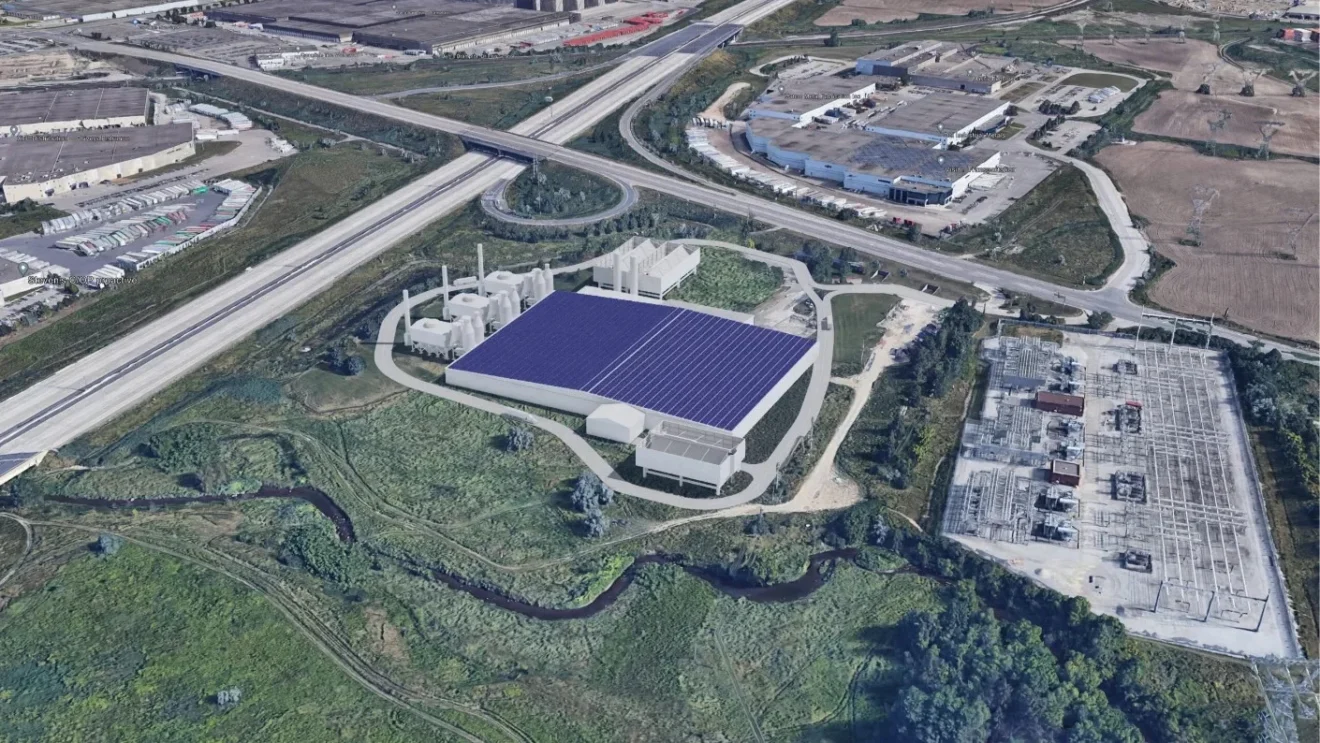
Recently, discussions around a major expansion of the Emerald Energy-from-Waste facility in Brampton have attracted significant public attention. If approved and expanded as proposed, the project could become one of the largest garbage incinerator in Canada.
The news has sparked conversations across Ontario regarding:
- environmental concerns
- infrastructure planning
- urban growth
- transportation logistics
- long-term sustainability
For many GTA residents and real estate investors, the discussion also raises a broader question:
How do large infrastructure projects influence communities and future real estate development?
Why Ontario Is Looking at More Waste-to-Energy Facilities
Ontario’s population continues to grow rapidly, especially throughout the GTA.
At the same time, landfill capacity is becoming increasingly limited. York Region has already stated that Ontario landfill capacity could become a major long-term concern within the next decade.
Because of this, municipalities are exploring alternatives such as:
- waste-to-energy facilities
- recycling expansion
- energy recovery systems
- waste diversion programs
Modern waste-to-energy facilities are designed to:
- reduce landfill dependence
- generate electricity
- recover recyclable materials
- process large volumes of waste more efficiently
Supporters argue these projects may become increasingly necessary as Ontario’s population and housing demand continue to rise.
Why Some Communities Are Concerned
At the same time, large infrastructure projects often generate concerns among residents.
Public discussions surrounding the proposed expansion have included topics such as:
- air quality
- environmental monitoring
- truck traffic
- long-term health concerns
- urban planning impacts
- proximity to residential communities
The topic has also generated strong online discussion throughout Ontario social media and community forums.
As with many major infrastructure projects, public opinion remains divided.
What This Means for Real Estate and Future GTA Development
Infrastructure has always played a major role in shaping real estate markets.
Historically, factors such as:
- highways
- transit expansion
- industrial development
- waste management systems
- power generation facilities
- commercial hubs
have all influenced how communities evolve.
As Ontario continues to grow, municipalities will likely need to balance:
- housing demand
- environmental planning
- transportation infrastructure
- waste management capacity
- long-term urban sustainability
For buyers and investors, understanding future infrastructure planning is becoming increasingly important when evaluating:
- long-term neighborhood growth
- development potential
- community planning
- future livability
- investment strategy
The GTA Is Continuing to Transform
The Greater Toronto Area is changing rapidly.
Large-scale discussions involving infrastructure, transit, energy, and sustainability are becoming more common as municipalities prepare for long-term population growth.
Whether it involves:
- transit expansion
- energy projects
- redevelopment
- environmental planning
- industrial infrastructure
these decisions may continue to shape the future of GTA communities for years to come.
For buyers, sellers, and investors, staying informed about these broader trends can provide valuable insights into how Ontario’s real estate landscape may continue to evolve.
Final Thoughts
The discussion surrounding Ontario’s proposed waste-to-energy expansion highlights a much larger reality:
As the GTA grows, infrastructure planning will become increasingly important.
While opinions on these projects may differ, they reflect the challenges of managing population growth, urban expansion, sustainability, and long-term regional development in one of Canada’s fastest-growing regions.
For anyone following the future of Ontario real estate, these conversations are becoming harder to ignore.

Your Industry Experts
We’re here to help. Whether you’re an agent or a client, we have the support and expertise you need to thrive in your next endeavour.