


When Can a Buyer Refuse to Close?
A recent case from the Supreme Court of British Columbia highlights an important question:
- Can a buyer walk away if a property is damaged before closing?
The answer depends on one key legal concept—whether the damage fundamentally changes the property.
The Case: Flood Damage Just Before Closing
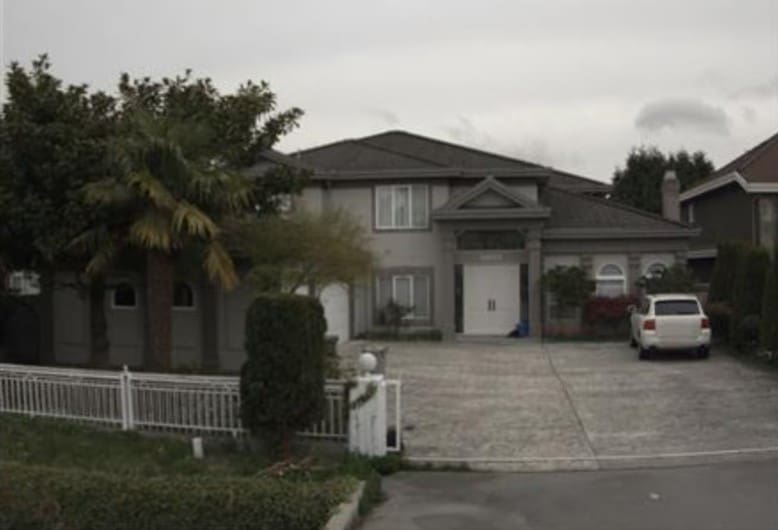
In this case, the buyer had agreed to purchase a home and paid a $132,500 deposit.
However, just one week before completion, the property was flooded.
The buyer refused to close, arguing:
- the property was no longer in the same condition
- the damage was significant
- the original agreement no longer applied
The seller disagreed and claimed the damage was minor.
The Legal Issue: Condition at Closing
Most real estate contracts require that:
- The property will be delivered in substantially the same condition as when it was viewed
The dispute came down to one question:
- Was the flood damage minor—or a fundamental change?
The Court’s Decision
The BC Supreme Court ruled in favour of the buyer.
The judge found that the property:
- had experienced major flood damage
- required ongoing repairs
- had unknown structural and hidden issues
The court stated that the buyer had agreed to purchase:
a move-in ready home with no water damage
But what was delivered was fundamentally different.
This was ruled a fundamental breach of contract
As a result:
- the buyer was allowed to walk away
- the deposit had to be returned
- the seller’s counterclaim was dismissed
Financial Consequences
After the failed transaction:
- the seller resold the property later
- the final price was about $500,000 lower
This case shows that disputes over property condition can have major financial impact.
Key Takeaway: “Fundamental Change” Is Everything
This case confirms an important legal principle:
- Not all damage cancels a deal
BUT
If the property is materially different, the buyer may have the right to terminate
The decision depends on:
- severity of damage
- usability of the property
- whether it matches what was agreed
What Buyers Should Watch
- Document the property condition carefully
- Understand contract clauses
- Act quickly if damage occurs
What Sellers Should Watch
- Disclose damage immediately
- Ensure repairs are completed before closing
- Understand the risk of disputes
Final Thoughts
Real estate deals are not just about price—they are about what is actually delivered at closing.
When unexpected events like flooding occur, the outcome often depends on whether the change is considered fundamental.
Understanding this can protect both buyers and sellers from costly disputes.

Your Industry Experts
We’re here to help. Whether you’re an agent or a client, we have the support and expertise you need to thrive in your next endeavour.