


Housing affordability continues to be one of the biggest challenges facing communities across the Greater Toronto Area, and Markham is no exception. As the city’s population continues to grow, demand for both ownership and rental housing has significantly outpaced supply.
In response, Markham City Council recently approved a new rental housing incentive program aimed at encouraging the construction of more purpose-built rental developments. Although the proposal sparked debate among council members, it represents another step in the city’s long-term strategy to increase housing options and improve affordability.
For many residents, however, the bigger question isn’t simply what council approved—it’s what this means for the local real estate market.
Whether you’re a first-time home buyer, a real estate investor, a homeowner, or someone currently renting in Markham, here’s what you should know.
Why Does Markham Need More Rental Housing?
Markham has experienced tremendous growth over the past decade. New businesses, excellent schools, expanding transit, and a strong local economy continue to attract families, professionals, and newcomers.
While this growth has benefited the city, it has also created increasing pressure on housing.
According to the City of Markham’s Affordable and Rental Housing Strategy:
- Approximately one in three households experiences housing affordability challenges
- Nearly one in five households spends at least 50% of its income on housing
- The city requires significantly more housing options for families, seniors, young professionals, and recent graduates.
At the same time, the Province of Ontario has assigned Markham an ambitious housing target, requiring the city to support the construction of approximately 44,000 new homes by 2031.
Meeting that target requires more than just new condominiums. It also means increasing the supply of long-term rental housing.
What Is Purpose-Built Rental Housing?
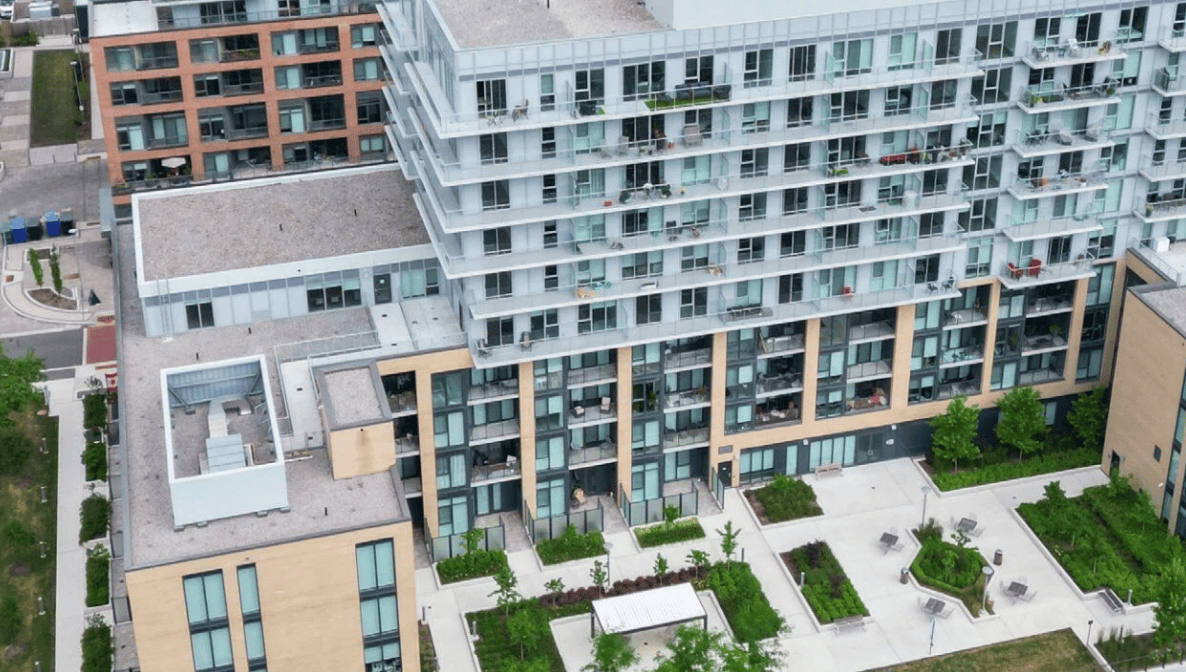
When many people think of renting, they picture condominium apartments owned by individual investors.
Purpose-built rental housing is different.
These buildings are developed specifically as rental communities and remain under a single owner or management company rather than being sold unit by unit.
Residents typically benefit from:
- Professional property management
- Long-term rental availability
- Consistent maintenance standards
- Dedicated rental communities
Unlike investor-owned condos, these buildings are intended to remain rental housing for decades.
Why Are Incentives Necessary?
Many people wonder why municipalities offer incentives instead of simply asking developers to build more rental housing.
The answer comes down to economics.
Compared to condominium developments, purpose-built rental projects often generate returns over many years rather than immediately through unit sales.
Construction costs, financing expenses, development charges, and interest rates have all increased substantially in recent years.
Without financial incentives, many developers may find condominium projects more attractive than rental buildings.
Markham’s broader housing strategy has long identified incentives, partnerships, and policy changes as important tools for increasing affordable and rental housing throughout the city.
York Region has also introduced development-charge deferrals and other measures designed to encourage additional housing construction across the region.
Why Was There Debate?
Although council approved the incentive program, the decision was not without discussion.
Supporters believe additional incentives are necessary to increase rental supply and help the city meet future housing needs.
Others questioned:
- Whether public incentives should be used to support private development
- Whether future rental units will actually be affordable
- The financial impact on taxpayers
- Infrastructure capacity as higher-density developments continue
These are reasonable concerns, and they reflect a broader conversation taking place across many Ontario municipalities.
Ultimately, the approval represents a balancing act between encouraging new housing construction while ensuring long-term community growth remains sustainable.
What Does This Mean for Renters?
For renters, this policy could provide positive long-term benefits.
If additional purpose-built rental projects move forward successfully, future tenants may have:
- More rental options
- Greater housing stability
- Professionally managed buildings
- Less competition for available units
However, expectations should remain realistic.
City approval is only one stage of the development process.
Developers must still complete planning approvals, secure financing, obtain building permits, and finish construction before residents can move in.
In other words, today’s policy decisions are unlikely to create immediate relief for renters.
What Does It Mean for Property Investors?
Many condominium investors are asking an important question:
Will more rental buildings reduce demand for privately owned rental condos?
The short answer is—not immediately.
Markham continues to experience strong population growth, and demand for rental housing remains high.
Purpose-built rentals may eventually provide tenants with additional choices, particularly those looking for professionally managed communities.
However, investor-owned condominiums will likely continue serving an important role in the rental market, especially near transit stations, employment centres, and universities.
For investors, success will still depend on factors such as:
- Property location
- Building quality
- Rental pricing
- Market demand
- Long-term neighbourhood growth
Rather than replacing private landlords, purpose-built rental housing may simply become another part of a more balanced rental market.
What About Home Buyers and Homeowners?
For buyers and homeowners, the impact is expected to be gradual.
Increasing housing supply generally helps create a healthier and more balanced market over the long term.
Additional rental housing may:
- Support population growth
- Provide more housing choices
- Reduce pressure on existing rental inventory
- Help create a more diverse housing market
At the same time, some neighbourhoods may experience higher density, bringing new infrastructure demands alongside new investment.
The overall effect will depend on where future projects are built and how quickly they move through the development process.
Approval Doesn’t Mean New Buildings Tomorrow
One common misconception is that council approval means construction begins immediately.
In reality, major residential developments often require several years before completion.
Projects still need to progress through:
- Detailed planning
- Site approvals
- Financing
- Building permits
- Construction
- Occupancy
As a result, any influence on rental prices or the resale housing market will likely occur gradually rather than overnight.
What Should Buyers and Investors Watch Next?
The approval of a rental housing incentive is only one piece of Markham’s broader housing strategy.
Over the next several years, buyers and investors should continue monitoring:
- New purpose-built rental applications
- Population growth
- Transit expansion
- Employment growth
- Future housing policies
- Interest rate trends
- New condominium launches
Together, these factors will shape the future of Markham’s real estate market far more than any single policy announcement.
Final Thoughts
Markham’s decision to encourage more purpose-built rental housing reflects a broader effort to address one of the city’s most pressing challenges—providing enough housing for a growing population.
For renters, the policy may eventually increase housing choices.
For investors, it introduces another evolving segment of the rental market worth watching.
For buyers and homeowners, it represents a long-term strategy focused on building a more balanced and sustainable community.
While no single policy can solve housing affordability on its own, increasing the supply of purpose-built rental housing is one of several tools municipalities are using to meet future demand.
As these projects move from planning to construction, they will become an important part of Markham’s evolving real estate landscape.
Source: York Region
Your Industry Experts
We’re here to help. Whether you’re an agent or a client, we have the support and expertise you need to thrive in your next endeavour.