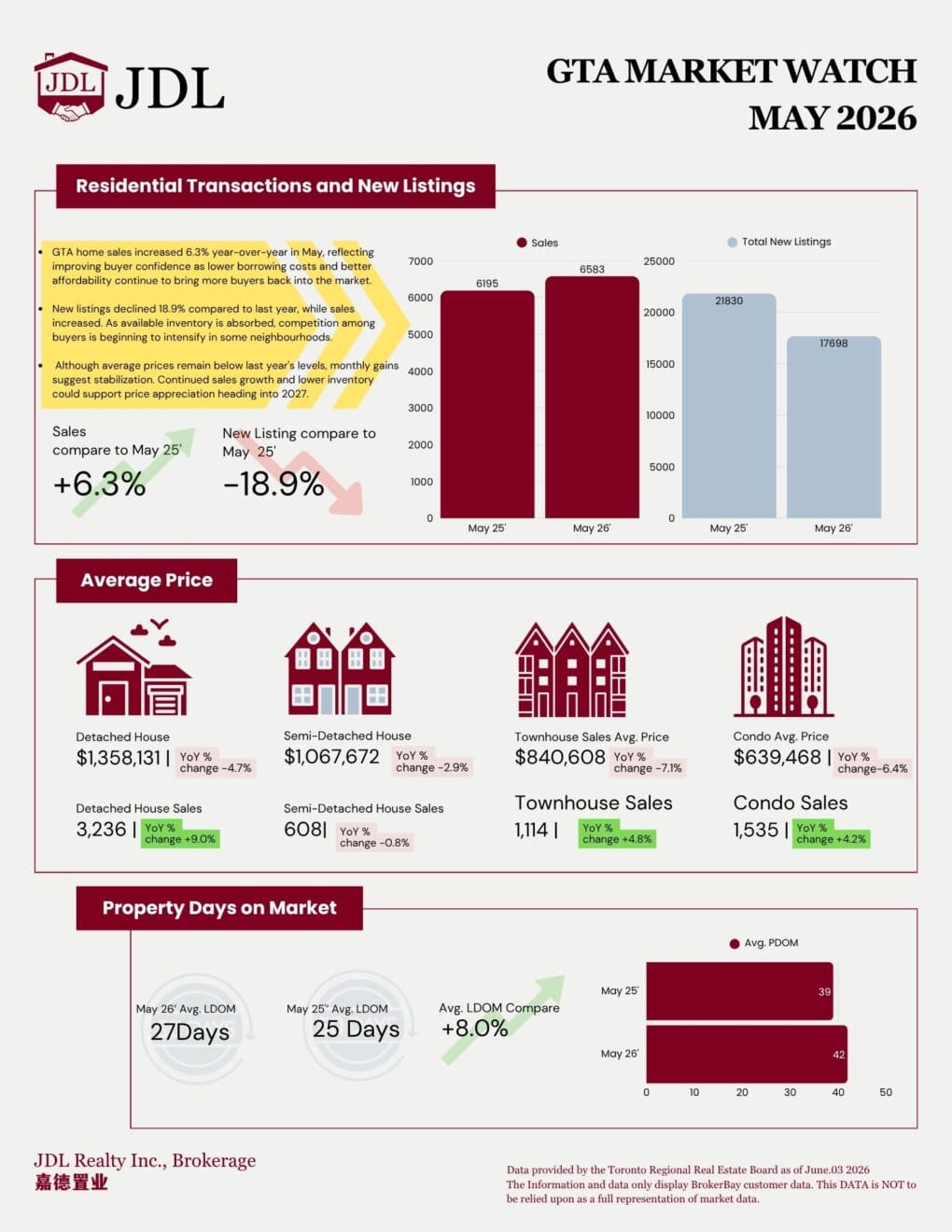



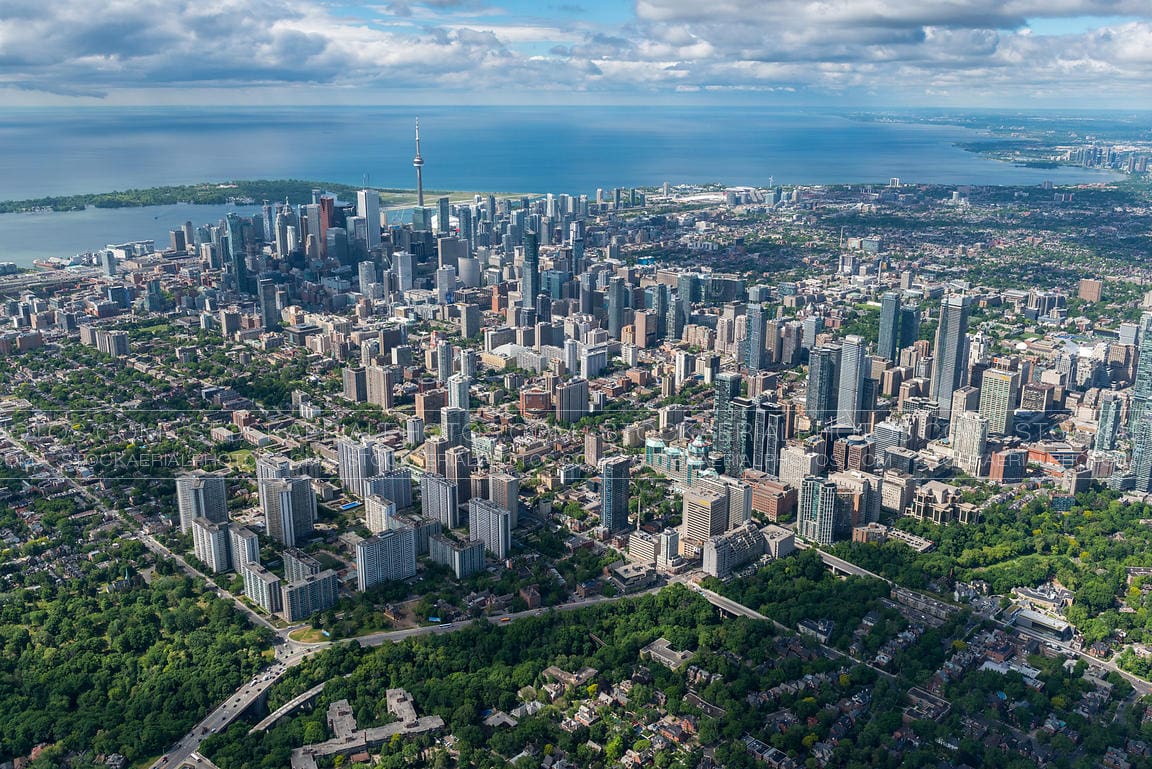
When people talk about the Greater Toronto Area (GTA) housing market, one number often dominates the conversation—the average home price.
You’ll frequently hear headlines such as, “The average GTA home sells for over $1 million,” leading many buyers to believe homeownership is out of reach. At the same time, some sellers assume their home has automatically increased in value simply because the GTA average remains high.
The reality is much more complex.
A recent market analysis highlighted that home prices across the GTA vary dramatically depending on the neighbourhood, with median sold prices ranging from roughly $405,000 to more than $3.2 million. The message is clear: there isn’t one GTA housing market—there are hundreds of local markets.
For buyers, sellers, and investors, understanding your specific neighbourhood is far more valuable than focusing on a single average price.
Why Average Home Prices Can Be Misleading
Average prices provide a general snapshot of the market, but they don’t explain what’s happening in your community.
For example, if several luxury homes sell in one month, the GTA average may rise significantly—even if prices in many neighbourhoods remain stable.
Likewise, if more entry-level condos are sold during a particular month, the average price may decrease even though detached homes continue appreciating in value.
Average prices are useful for identifying broad market trends, but they should never be the only factor when making a real estate decision.
Every GTA Neighbourhood Tells a Different Story
One of the GTA’s greatest strengths is its diversity.
- School districts
- Transit access
- Future infrastructure projects
- Local employment opportunities
- Housing supply
- Property types
- Community amenities
For example, buyers searching in Markham, Richmond Hill, Vaughan, Aurora, or North York may all have completely different experiences despite being part of the same GTA market.
Each city—and often each neighbourhood within a city—has its own market conditions influenced by factors such as:
Even within the same city, two neighbourhoods located only a few kilometres apart can experience very different levels of buyer demand and price growth.
What This Means for Home Buyers
If you’ve been discouraged by headlines about GTA home prices, you may be overlooking opportunities.
Many buyers assume every property is priced near the GTA average, but that’s rarely the case.
Instead of asking:
“Can I afford the GTA?”
A better question is:
“Which neighbourhood best fits my budget and long-term goals?”
With the right strategy, buyers may discover communities offering excellent value, strong future growth potential, and housing options that align with their financial goals.
Looking beyond the average can open doors that many buyers never consider.
What This Means for Home Sellers
For sellers, relying on GTA averages can also create unrealistic expectations.
Pricing a home too high because of a headline about rising average prices may reduce buyer interest and increase the time your property spends on the market.
Successful pricing depends on:
- Recent comparable sales
- Current buyer demand
- Inventory levels
- Property condition
- Neighbourhood-specific trends
A home is worth what buyers in that local market are willing to pay—not what the GTA average suggests.
What This Means for Real Estate Investors
Investors often focus on where future opportunities may emerge rather than where prices are already the highest.
Neighbourhoods experiencing population growth, infrastructure investment, new transit connections, and commercial development may offer stronger long-term potential than simply chasing the most expensive postal codes.
Looking beyond the averages allows investors to identify emerging communities before they become widely recognized.
Local Knowledge Matters More Than Ever
Today’s buyers and sellers have access to more information than ever before.
However, having access to data isn’t the same as understanding it.
Two neighbourhoods may show similar average prices while offering completely different investment potential, school rankings, rental demand, or future development plans.
That’s why local market knowledge continues to be one of the most valuable resources in real estate.
Understanding neighbourhood trends—not just GTA averages—helps buyers make smarter decisions and gives sellers greater confidence when entering the market.
Final Thoughts
The GTA housing market cannot be summarized by a single number.
Average prices may make headlines, but they rarely tell the full story.
Whether you’re buying your first home, upgrading, downsizing, or investing, your decision should be based on the market conditions of the specific neighbourhood you’re interested in—not the GTA as a whole.
At JDL Realty, we believe successful real estate decisions begin with local expertise. Our team closely follows neighbourhood-level trends across Markham, Richmond Hill, Vaughan, Aurora, North York, and the surrounding GTA to provide clients with market insights that go beyond the headlines.
If you’re thinking about buying or selling, contact JDL Realty to discover what’s really happening in your neighbourhood—and how today’s market could create opportunities for you.
Source: MPA

Your Industry Experts
We’re here to help. Whether you’re an agent or a client, we have the support and expertise you need to thrive in your next endeavour.