


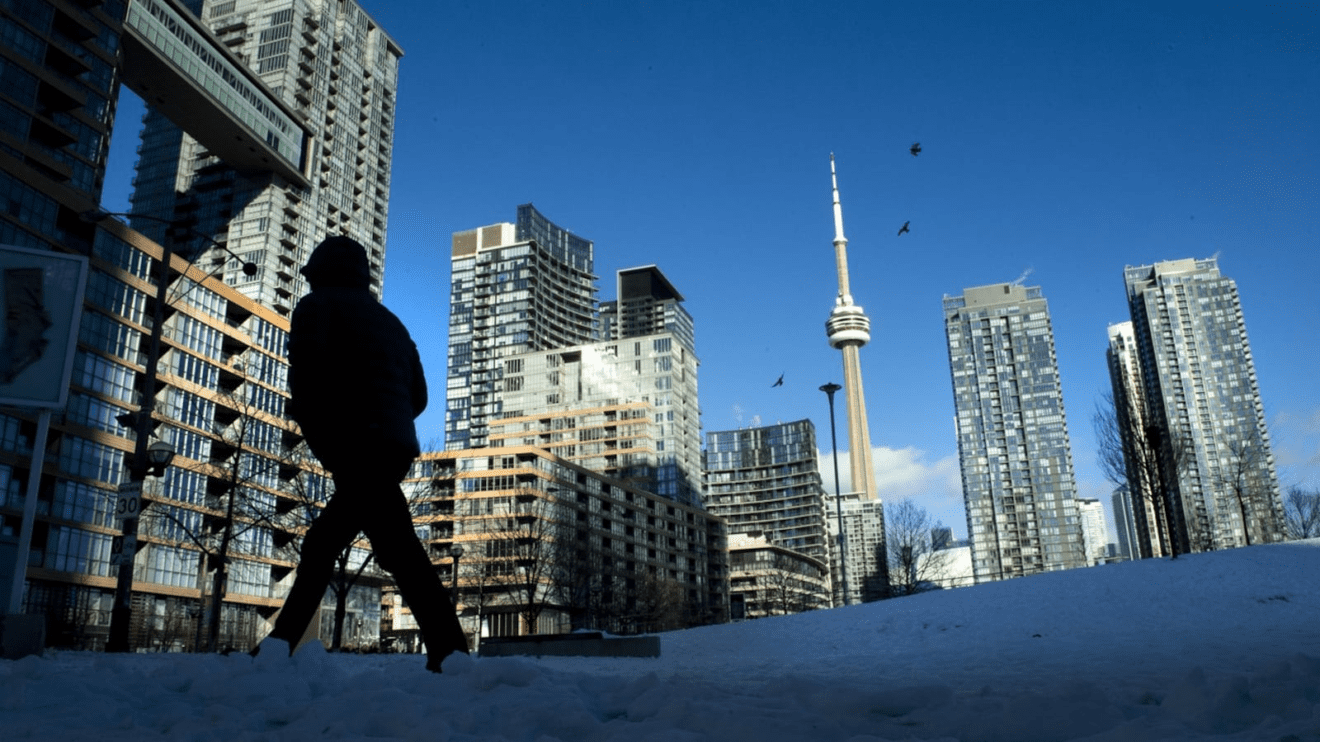
For the past two years, Toronto’s condominium market has been dominated by headlines about falling sales, rising inventory, delayed projects, and cautious investors.
For buyers looking at today’s market, it can feel like Toronto simply has too many condos.
But there is another side to the story that may become increasingly important over the next several years:
What happens when developers stop building?
CMHC expects Ontario housing starts to fall to near two-decade lows in 2026, with weak condominium pre-construction sales playing a major role. In Toronto specifically, condo starts already fell sharply in 2025 to levels not seen since the 1990s.
Today’s weak pre-construction market may therefore solve one problem—excess inventory—but potentially create another one later: fewer new ownership homes entering the market.
Why Have Pre-Construction Condo Sales Fallen So Much?
For years, Toronto’s condominium construction model relied heavily on pre-construction buyers and investors.
Developers typically need to sell a substantial percentage of units before lenders will provide construction financing. According to the Bank of Canada, lenders have historically required builders to have around 70% of units pre-sold before financing construction.
When investors were confident that condo values would rise during the three-to-five-year construction period, this model worked well.
But market conditions changed.
Higher borrowing costs, weaker condo prices, slower population growth and reduced investor returns have made purchasing pre-construction significantly less attractive to many investors.
When pre-sales disappear, projects can become much harder to finance.
And when projects cannot secure financing, developers may delay, redesign or cancel them.
Toronto Isn’t Just Selling Fewer Condos—It’s Starting Fewer Projects
This distinction is extremely important.
Today’s resale condo inventory represents homes that already exist.
Housing starts represent tomorrow’s supply.
The Bank of Canada reported that Toronto condo starts declined sharply through 2024 and 2025, reaching lows not seen since the 1990s in 2025. It identified collapsing pre-sales as a major reason for the slowdown.
CMHC’s 2026 outlook suggests that weakness is continuing. It expects Ontario housing starts to fall to near two-decade lows this year, with condominium construction particularly weak in Toronto.
That creates an unusual situation.
Today: Buyers may see plenty of condo inventory.
Tomorrow: Fewer projects may be under construction.
Several years from now: Fewer newly completed ownership units could reach the market.
Why Today’s Construction Slowdown Won’t Be Felt Immediately
A condominium building doesn’t appear overnight.
Large developments can take several years to move from pre-sales through financing, construction and final occupancy.
That means Toronto could continue seeing new condo completions from projects sold during stronger market years even while very few new projects are beginning construction today.
This creates a delayed effect.
Think of it like a pipeline.
Homes entering the market today were often planned and sold years ago. If substantially fewer projects enter that pipeline in 2025 and 2026, the impact may not become fully visible until later.
That’s why looking only at today’s available inventory can provide an incomplete picture of future housing supply.
Could Toronto Actually Face Another Supply Problem?
Possibly—but it is far too early to say that a shortage is guaranteed.
Toronto’s future housing balance will depend on several factors, including population growth, immigration, interest rates, employment, rental construction and future buyer demand.
Purpose-built rental construction may also fill part of the housing need even if condominium construction remains weak.
However, rental apartments and ownership condos are not interchangeable for buyers who want to own their homes.
If Toronto continues adding households while very few new ownership projects begin construction, the market could eventually face a tighter supply environment.
CMHC continues to emphasize that Canada needs substantially more housing construction over the long term to restore affordability. Its broader supply-gap work estimates Canada would need roughly 430,000 to 480,000 new homes annually by 2035 to restore affordability to levels last seen in 2019.
What Does This Mean for Today’s Condo Buyers?
For buyers, today’s market presents an interesting contradiction.
The condo segment is currently relatively soft. Buyers in many areas have more choice and negotiating power than they did during the market’s peak years.
At the same time, the future construction pipeline is weakening.
That doesn’t mean buyers should rush into the market because prices are guaranteed to rise—they aren’t.
Instead, buyers should evaluate today’s opportunities based on fundamentals:
- Location
- Transit accessibility
- Building quality
- Maintenance fees
- Unit layout
- Neighbourhood development
- Long-term ownership plans
- Comparable resale prices
A slower market can give financially prepared buyers something that was difficult to find several years ago: time to compare properties and negotiate.
What About Pre-Construction Buyers?
The current environment also requires a different approach to pre-construction.
During the previous market boom, some buyers assumed almost any pre-construction property would appreciate significantly before completion.
That assumption is much harder to justify today.
Buyers should pay much closer attention to the developer’s track record, project viability, total closing costs, deposit structure, neighbourhood fundamentals and how the pre-construction price compares with similar resale properties.
The question shouldn’t simply be:
“How much could this condo appreciate?”
It should also be:
“Does this property make sense at today’s price even if appreciation takes longer than expected?”
What Does This Mean for Investors?
Investors should also distinguish between short-term market weakness and long-term housing supply.
Toronto currently has significant condo inventory in some areas, and rental economics remain challenging for many investor-owned units.
Those are real risks.
But if new construction remains depressed for several years, future supply conditions could eventually become more favourable to existing properties.
That possibility alone isn’t a reason to invest. Cash flow, financing costs, location, rental demand and holding period still matter.
The larger lesson is that real estate markets move in cycles—and today’s construction decisions can shape the market several years from now.
The GTA Market Could Look Very Different in a Few Years
Perhaps the most interesting part of today’s condo slowdown is the time lag.
In 2026, the discussion is about weak demand and excess inventory.
Several years from now, the conversation could be very different if today’s lack of project launches translates into fewer completions.
That doesn’t guarantee another housing shortage or another price boom.
But it does demonstrate why buyers and investors shouldn’t make long-term decisions based only on today’s headlines.
Today’s market tells us what has already happened. Construction activity can give us clues about what might happen next.
Final Thoughts
Toronto’s pre-construction condo slowdown is about more than struggling developers or cautious investors.
It could have long-term implications for the GTA’s housing supply.
With pre-construction sales having fallen dramatically, condo starts already at multi-decade lows, and CMHC expecting Ontario housing starts to remain exceptionally weak in 2026, fewer ownership homes are entering the development pipeline today.
Whether that eventually creates a significant supply crunch will depend on population growth, interest rates, economic conditions and how quickly development activity recovers.
For buyers and investors, the takeaway isn’t to predict the next housing boom.
It’s to look beyond today’s market and understand how today’s construction slowdown could shape tomorrow’s opportunities.
At JDL Realty, we monitor both current GTA market conditions and the longer-term trends shaping future housing supply. Whether you’re considering a resale property, pre-construction purchase or long-term investment, understanding both sides of the market can help you make a more informed decision.

Your Industry Experts
We’re here to help. Whether you’re an agent or a client, we have the support and expertise you need to thrive in your next endeavour.