


A New Direction in Ontario Land Policy
On April 21, the Ontario government announced that it is exploring restrictions on foreign ownership of farmland, signalling a notable shift in provincial land policy.
This is significant because Ontario has historically taken a more open approach, allowing non-Canadians to purchase agricultural land without major limitations.
Ontario Is an Outlier
Compared to other provinces, Ontario’s position has been unusual.
For decades, provinces like:
- Saskatchewan
- Manitoba
- Alberta
have implemented strict limits on foreign ownership of farmland, often capping acreage or requiring residency.
Ontario, by contrast, has had no comparable restrictions, making this potential change a major policy adjustment.
Expansion Plans in the North: The Clay Belt
Alongside ownership restrictions, the province is also proposing to expand agricultural activity in northern regions.
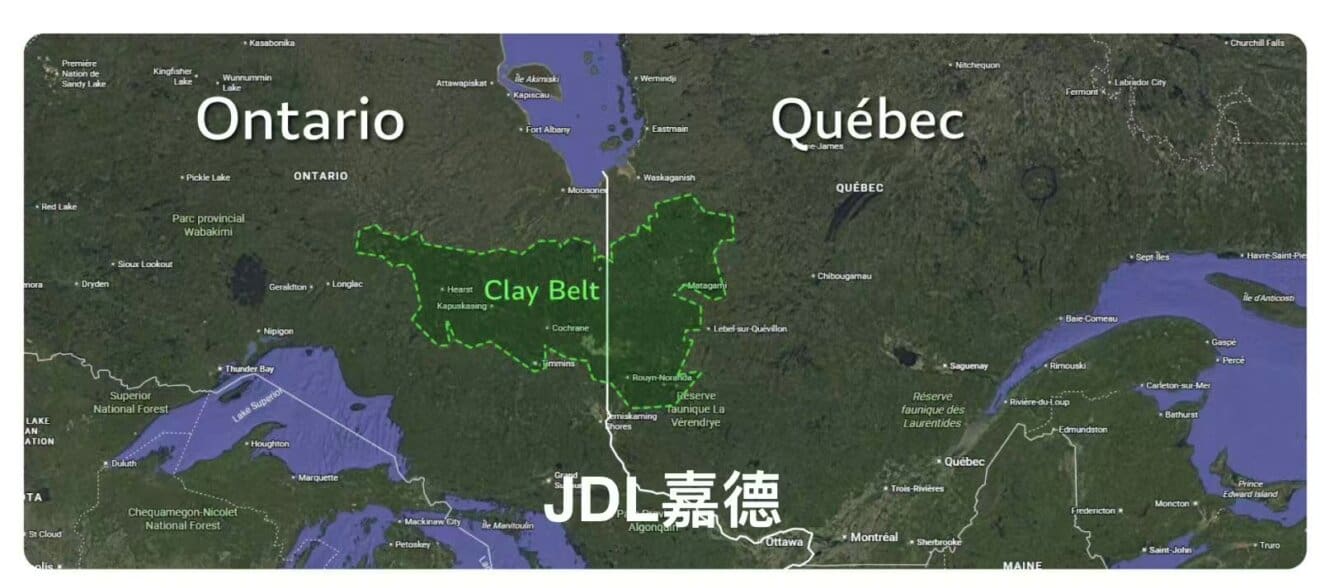
A key focus is the Clay Belt, a vast area covering:
- Cochrane
- Timiskaming
- extending into Abitibi (Quebec)
The region spans roughly 180,000 square kilometres and has long been identified as a potential agricultural expansion zone due to its soil composition and available land.
The government is considering measures to:
- increase access to Crown land
- offer long-term leases to farmers
- encourage agricultural development in underutilized areas
A Debate Over the Real Issue
While the policy is framed around foreign ownership, some experts argue that the bigger concern lies elsewhere.
Industry voices, including leadership from the Ontario Farmland Trust, have pointed out that:
- there is limited evidence of widespread foreign ownership of farmland in Ontario
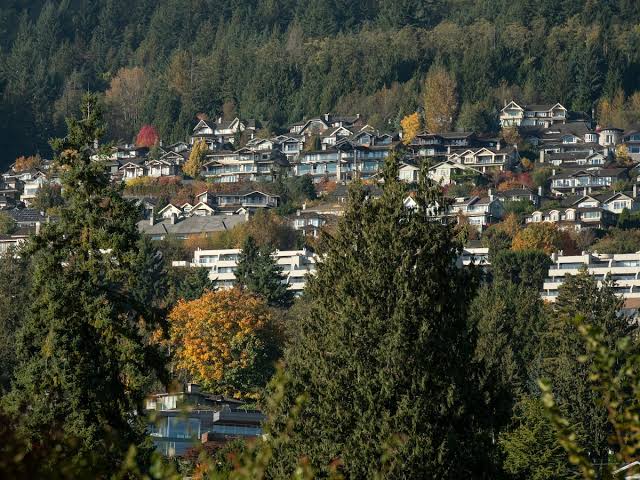
- however, there is strong evidence that prime agricultural land in southern Ontario is being lost to housing development
This introduces a key tension:
- is foreign ownership the main issue, or is land conversion for urban growth the more pressing concern?
The Real Estate Connection
Although this policy is focused on agriculture, it has direct implications for the real estate market.
1. Land Supply Constraints
If farmland ownership becomes more regulated, it may indirectly affect how land is accessed, held, and eventually developed.
2. Ongoing Housing Demand
Southern Ontario continues to face strong housing demand, particularly in the GTA.
This demand often leads to:
- rezoning of agricultural land
- expansion of suburban communities
Which puts pressure on farmland preservation.
3. Shift in Development Focus
With increased attention on northern regions like the Clay Belt, there may be longer-term discussions about:
- decentralizing growth
- exploring alternative development corridors
However, infrastructure and economic realities mean this would be a gradual shift at best.
Policy vs. Market Reality
This announcement highlights a broader challenge:
- housing supply
- agricultural protection
- land use policy
While restricting foreign ownership may address certain political or public concerns, it does not directly solve:
- the ongoing conversion of farmland into residential development
Final Thoughts
Ontario’s move to consider restrictions on foreign farmland ownership reflects a changing approach to land management.
But the bigger issue may not be who owns the land, but rather how the land is used.
As population growth continues and housing demand remains strong, this balance between development and preservation will become increasingly important.
Looking Ahead
Further details on the policy are still expected.
For buyers, investors, and developers, this is an important signal that land policy is becoming a more active part of Ontario’s real estate landscape.
Source: Ontario news, Global News
Your Industry Experts
We’re here to help. Whether you’re an agent or a client, we have the support and expertise you need to thrive in your next endeavour.