



Getting licensed is an important achievement, but it is only the beginning of a real estate career.
In Ontario, real estate is a regulated profession. Agents and brokerages must be registered with the Real Estate Council of Ontario, and agents must continue meeting applicable education and compliance requirements throughout their careers.
However, registration alone does not teach an agent how to find clients, prepare a competitive offer, manage a difficult transaction or build a sustainable business.
That is why choosing the right brokerage matters.
A brokerage is not simply the place where an agent’s licence is registered. The right brokerage can provide practical guidance, business systems, marketing support and access to experienced professionals. The wrong fit can leave an agent paying monthly fees while trying to solve every problem alone.
Before joining your first brokerage—or moving from your current one—ask these ten questions.
1. What Training Is Available After I Join?
New agents often compare brokerages based on commission splits before considering training.
A strong split has limited value if the agent does not know how to:
- Conduct a buyer consultation
- Prepare a listing presentation
- Explain contracts and conditions
- Review comparable properties
- Handle multiple offers
- Follow up with potential clients
- Manage a transaction from offer to closing
Ask whether the brokerage offers practical training rather than only general seminars.
Useful training may include live contract reviews, transaction workshops, role-playing, market analysis, lead-conversion practice, and opportunities to observe experienced agents.
Ontario’s registration education establishes an essential professional foundation, including legal and compliance responsibilities. Brokerage-level coaching should help agents apply that knowledge in real transactions.
2. Can I Reach a Manager When I Need Help?
Real estate problems do not always happen during scheduled training sessions.
An offer may arrive in the evening. A client may raise a difficult question during a showing. A condition may need to be reviewed before a deadline.
Before joining a brokerage, ask:
- Who reviews my first agreements?
- Can I contact a manager outside regular office hours?
- How quickly are questions normally answered?
- Is support provided by an experienced person or only through recorded materials?
- Who helps when a transaction becomes complicated?
Access to knowledgeable management is especially important for new agents, but experienced agents also benefit when dealing with unusual clauses, commercial transactions, pre-construction agreements or difficult negotiations.
3. Is Mentorship Structured or Informal?
Many brokerages promote mentorship, but the word can mean different things.
At one brokerage, mentorship may involve scheduled one-on-one meetings and transaction guidance. At another, it may simply mean that an experienced agent is available when they have time.
Ask how the program actually works:
- Is a specific mentor assigned?
- How often do meetings happen?
- Is there a defined training plan?
- Will the mentor review calls, offers or presentations?
- Are there additional mentorship fees?
- How long does the program last?
A useful mentor should do more than motivate. They should provide honest feedback, practical knowledge and accountability.
4. What Are All the Brokerage Fees?
Commission split is only one part of the cost of joining a brokerage.
Agents should request a complete written explanation of possible expenses, including:
- Monthly or desk fees
- Transaction fees
- Franchise fees
- Technology fees
- Insurance costs
- Marketing charges
- Training or mentorship fees
- Lead referral fees
- Administrative charges
- Fees for leaving or transferring
A brokerage with a lower commission split may provide extensive services. A brokerage advertising a high split may charge several separate fees.
Compare the total cost with the actual value received.
The best brokerage is not automatically the cheapest. It is the one that gives the agent the strongest opportunity to develop skills, serve clients and grow profitably.
5. Does the Brokerage Provide Leads—and What Does “Leads” Mean?
“Leads provided” can be appealing, but agents should understand exactly what is being offered.
Ask:
- Where do the leads come from?
- Are they new inquiries or older databases?
- How are leads distributed?
- How many agents receive the same lead?
- Is there a referral fee?
- Are performance requirements attached?
- Does the brokerage provide scripts or follow-up systems?
- Are rental, buyer, seller and referral leads available?
No brokerage can guarantee that every lead will become a client.
The more important question is whether the brokerage provides genuine opportunities and helps agents develop the skills required to convert them.
Agents should also learn how to create their own business rather than depending permanently on one lead source.
6. What Marketing Support Is Included?
Real estate agents need to remain visible, but producing consistent marketing can be difficult while managing clients and transactions.
Ask whether the brokerage supports:
- Listing photography
- Property videos
- Social-media content
- Agent branding
- Flyers and feature sheets
- Email campaigns
- Website profiles
- Community marketing
- Open-house promotion
- Pre-construction materials
- Multilingual marketing
Also determine what is included and what requires an additional payment.
Good marketing support does not replace prospecting or client service. It helps agents present themselves and their listings more professionally.
7. Will I Receive Administrative and Transaction Support?
As an agent’s business grows, administration can take up a large part of the working day.
Support may include:
- Document review
- Deal processing
- Deposit coordination
- Compliance reminders
- Listing uploads
- Appointment management
- Commission paperwork
- Closing follow-up
- File organization
Without clear systems, agents may spend less time building relationships and more time correcting avoidable paperwork errors.
Ask what the brokerage handles, what remains the agent’s responsibility and who can assist when a document is missing or a deadline is approaching.
8. Does the Brokerage Fit My Target Market?
Different brokerages may be stronger in different areas.
Some focus mainly on resale homes. Others have more experience with:
- Pre-construction properties
- Investment real estate
- Commercial transactions
- Leasing
- Property management
- Luxury homes
- New immigrants and international clients
- Multilingual communities
- Particular GTA cities
An agent should choose an environment that supports the clients and property types they plan to serve.
For example, an agent interested in investors may benefit from access to leasing and property-management knowledge. An agent focused on pre-construction may need builder relationships, project information and training on assignment and closing issues.
9. What Is the Brokerage Culture Really Like?
Culture is difficult to understand from a recruitment presentation alone.
Try to speak with several current agents and ask:
- Do agents collaborate or compete internally?
- Are managers approachable?
- Are new agents treated seriously?
- Are achievements recognized?
- Is training well attended?
- Do experienced agents share knowledge?
- Is there pressure to purchase unnecessary services?
- Are expectations communicated clearly?
A positive culture should not be judged only by social events or office appearance.
The most important signs are professional standards, reliable support, respectful communication and a genuine interest in agent development.
10. Can the Brokerage Support My Next Stage of Growth?
A brokerage may be suitable when an agent is new but become limiting as their business develops.
Ask what support exists for agents who want to:
- Increase production
- Build a personal brand
- Enter a new market
- Hire administrative help
- Form a team
- Become a broker
- Work with investors
- Expand into commercial or pre-construction sales
- Develop referral networks
- Create long-term business systems
Ontario agents also have ongoing education obligations, and salespersons who meet the experience and education requirements may later pursue broker registration.
The right brokerage should support both immediate needs and future goals.
Red Flags to Watch For
An agent should investigate further when a brokerage:
- Avoids providing a written fee breakdown
- Promises guaranteed income or effortless leads
- Cannot explain its training process
- Offers little access to management
- Pressures agents to sign immediately
- Has no clear compliance or transaction system
- Focuses entirely on recruitment rather than agent development
- Makes every opportunity dependent on additional fees
Recruitment promises should be specific and verifiable.
Ask to see the training schedule, fee structure, marketing examples and support process before making a decision.
Should Experienced Agents Change Brokerages?
Changing brokerages should not be based on one difficult transaction or a slightly different commission split.
However, it may be worth considering when an agent repeatedly experiences:
- Limited management support
- Weak marketing resources
- Few growth opportunities
- High expenses without clear value
- Delayed administrative assistance
- No help with difficult transactions
- A culture that no longer fits
- Limited opportunities to build a team or new business area
Before moving, review existing agreements, listings, pending transactions, expenses and transfer procedures carefully.
The goal is not simply to leave a brokerage. It is to move to an environment that solves specific business problems.
What New Agents Often Choose Incorrectly
Many new agents select a brokerage based mainly on:
- The highest commission split
- The lowest monthly fee
- A well-known brand name
- The closest office
- A friend’s recommendation
These factors can matter, but they do not show what the agent’s daily experience will be.
A new agent’s first priority should usually be gaining competence.
Access to experienced managers, practical training, transaction guidance and real business-development support may be more valuable than keeping a larger percentage of income that has not yet been generated.
Why Consider JDL Realty?
At JDL Realty, we understand that agents at different stages require different forms of support.
New agents may need help preparing their first offers, developing a prospecting plan and turning existing relationships into their first clients.
Established agents may be looking for stronger marketing, more responsive management, access to referrals, assistance with complex transactions or support in expanding their business.
JDL Realty provides agents with:
- Guidance from an experienced Broker of Record and management team
- Practical transaction and contract support
- One-on-one career and business guidance
- Lead and referral opportunities
- Marketing and content support
- Pre-construction and investment-property opportunities
- Property-management support for investor clients
- A collaborative multilingual environment
- Support when transactions become complicated
- Flexible opportunities for agents at different production levels
Our goal is not simply to add more names to the brokerage.
It is to help agents build stronger skills, better systems and sustainable careers.
Questions to Ask JDL Realty
Agents speaking with our team are encouraged to ask direct questions:
- What support would I receive during my first transaction?
- How are leads and referrals distributed?
- What training is currently available?
- What marketing support can I access?
- Who can help me with a difficult agreement?
- How can the property-management team support my investor clients?
- What opportunities exist in resale and pre-construction?
- How would JDL help me reach my next production goal?
Choosing a brokerage should be a two-way conversation.
Agents deserve clear information before making a career decision, and the brokerage should understand the agent’s goals before recommending a plan.
Final Thoughts
The right brokerage cannot replace discipline, prospecting and strong client service.
However, it can determine whether an agent receives guidance when challenges arise, has the resources to market effectively and can build a business with fewer avoidable mistakes.
Before choosing or changing brokerages, look beyond the commission split.
Compare:
- Training
- Management access
- Mentorship
- Leads
- Marketing
- Administration
- Culture
- Specialization
- Fees
- Long-term growth opportunities
A brokerage should not only hold your registration. It should help you move your career forward.
Agents interested in learning more about career opportunities at JDL Realty can contact our management team for a private, one-on-one conversation about their current challenges and future goals.
Disclaimer: This article provides general career information and does not constitute legal, financial or employment advice. Brokerage services, compensation structures, expenses and agent agreements vary. Agents should review all applicable agreements and obtain independent professional advice where appropriate.
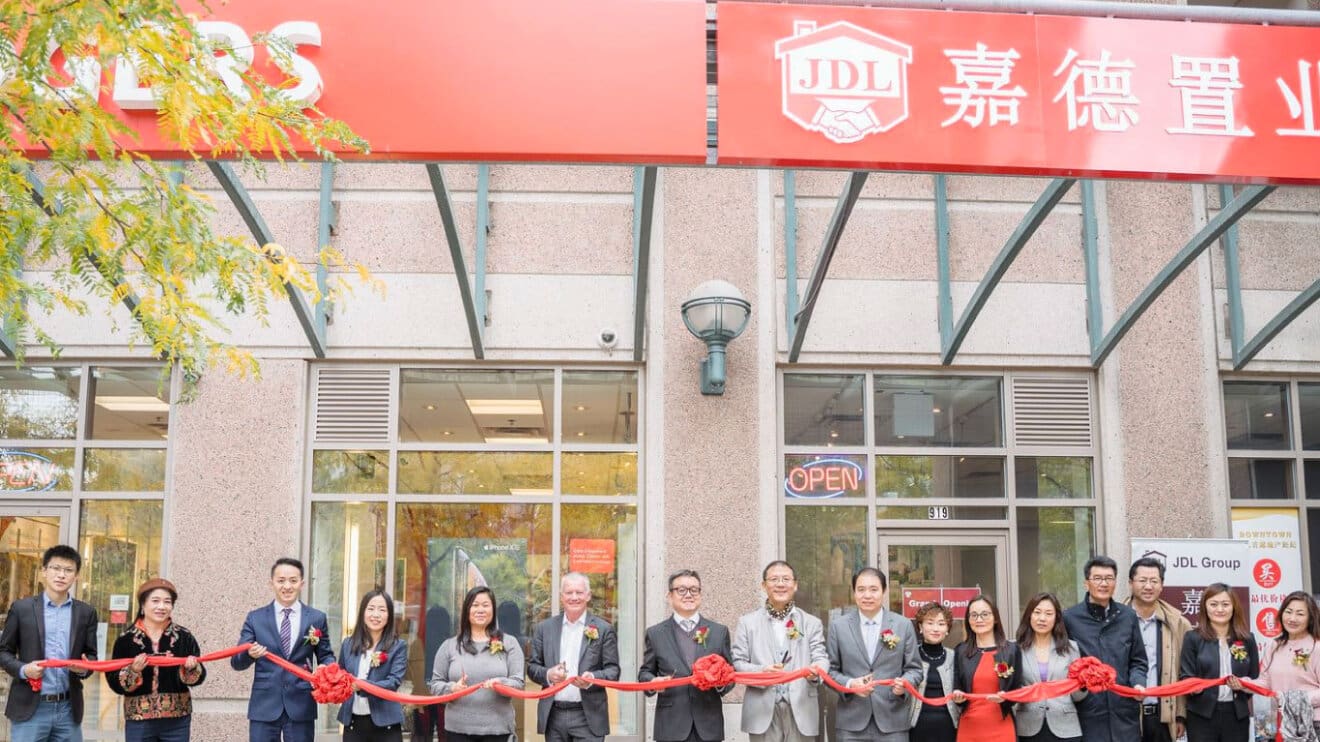
Your Industry Experts
We’re here to help. Whether you’re an agent or a client, we have the support and expertise you need to thrive in your next endeavour.