
Canada’s rules for foreign home buyers could soon change significantly.
In Budget 2026, released November 5, 2026, the federal government proposed two major changes to the Prohibition on the Purchase of Residential Property by Non-Canadians Act:
1. Extend the foreign buyer ban on existing and resale residential properties until January 1, 2029.
2. Exempt new residential properties from the federal prohibition.
For the GTA real estate market, the second part is particularly important.
If implemented, eligible non-Canadian buyers could once again have access to certain newly built homes while remaining restricted from purchasing many resale properties.
However:
The change is not in effect yet.
The federal government still needs to introduce legislation and complete a regulatory process before the proposed new-home exemption becomes effective.
What Is the Current Foreign Buyer Ban?
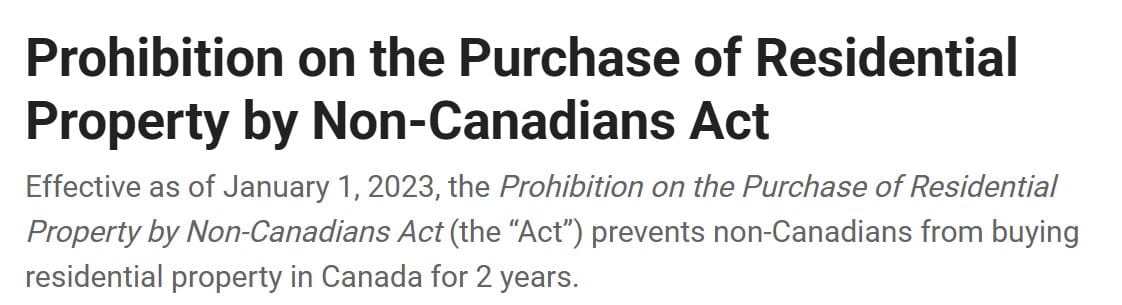
Canada’s federal foreign buyer ban came into effect on January 1, 2023.
Under the current rules, non-Canadians are generally prohibited from purchasing certain residential properties located within Census Metropolitan Areas and Census Agglomerations.
The federal definition generally includes homes with up to three dwelling units and individual units such as condominiums and townhouses.
Canadian citizens and permanent residents are not subject to the ban, and certain exceptions exist for qualifying temporary residents, protected persons, spouses and other specific circumstances.
The existing prohibition is currently scheduled to run until January 1, 2027.
Budget 2026 now proposes extending the restriction for another two years.
What Would Change Under Budget 2026?
The federal proposal creates a distinction between:
Existing and resale homes
The ban would continue until:
January 1, 2029
for residential properties covered by the federal prohibition.
New residential properties
These would be:
exempt from the federal foreign buyer prohibition.
The government says the objective is to keep most existing housing available to Canadians while allowing additional investment to support new housing construction.
Does This Mean Foreign Buyers Can Buy New Homes Right Now?
No—not yet.
This is probably the most important point.
Budget 2026 announced the proposed policy change, but the federal government has not yet completed the legislation and regulations needed to implement it.
As of November 6, 2026, the existing rules continue to apply.
So a non-Canadian buyer should not assume that a newly built condo or house can already be purchased simply because of yesterday’s announcement.
The exact transaction should be reviewed based on the rules that are legally in force at the time.
What Counts as a “New Residential Property”?
This is another major detail that has not yet been fully explained.
Budget 2026 uses the term:
“new residential properties”
but the announcement does not yet clearly define exactly what will qualify.
For example, additional rules will be needed to clarify how the exemption applies to situations such as:
- Pre-construction condos
- Assignment purchases
- Newly completed but never-occupied condos
- Builder inventory
- Newly built detached homes
- New townhouses
- Properties where an Agreement of Purchase and Sale was signed before the new rules take effect
The government has said legislation and a regulatory process will follow.
Until those details are released, buyers should be careful about assuming a specific project qualifies.
What Does This Mean for GTA Pre-Construction?
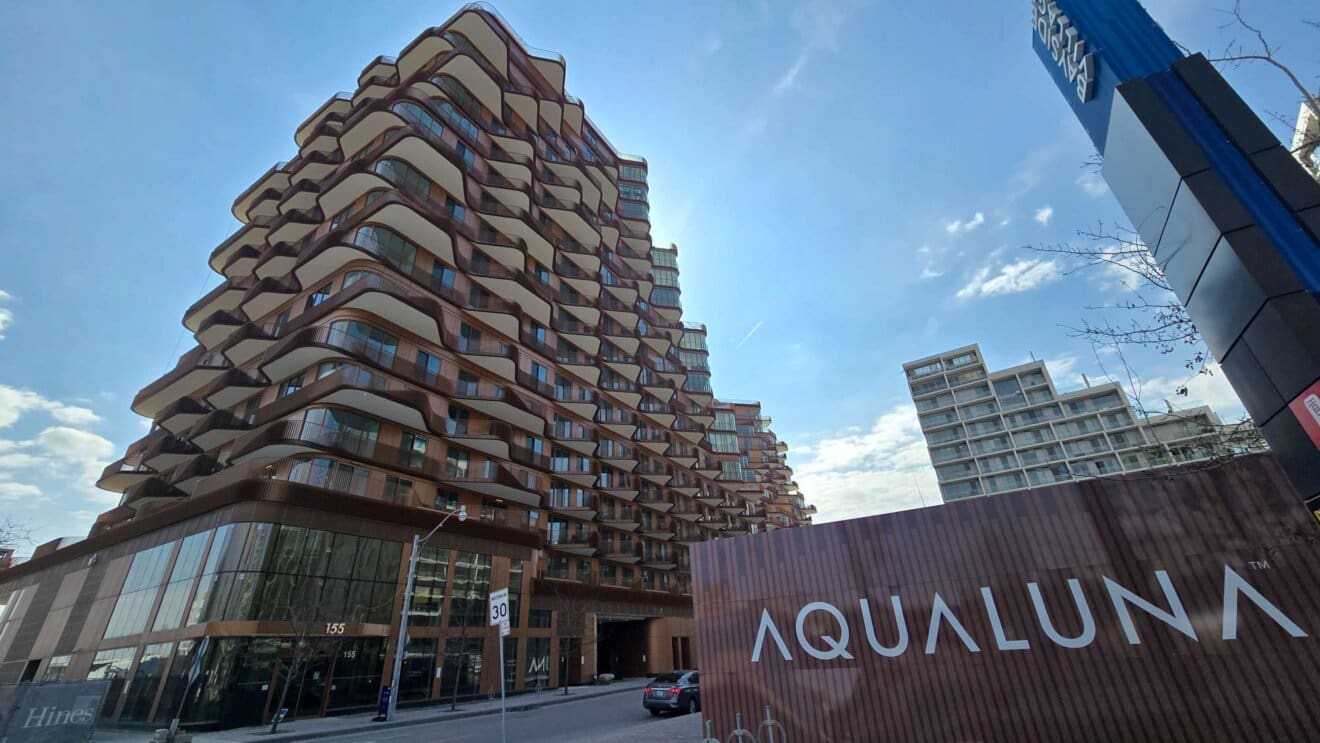
This proposed change could be particularly relevant to the GTA new-home and pre-construction market.
Under the proposal, foreign buyers could potentially become eligible to purchase newly built residential properties that are currently restricted under the federal ban.
That could include certain new:
- Condos
- Townhouses
- Detached homes
- Other newly constructed residential properties
depending on how the final regulations define a “new residential property.”
For builders and developers, this could expand the potential buyer pool for new construction.
For buyers, however, it is important to remember that removing the federal prohibition does not necessarily remove other foreign-buyer taxes.
Foreign Buyers in Ontario Could Still Face a 25% NRST
This is where the new proposal can easily be misunderstood.
Even if the federal government allows foreign buyers to purchase qualifying new residential properties, Ontario currently has a separate:
Non-Resident Speculation Tax — NRST
The provincial NRST is currently:
25%
and applies to certain residential property purchases anywhere in Ontario by foreign nationals, foreign corporations and certain taxable trustees.
This tax is separate from the federal foreign buyer ban.
Therefore:
Federal permission to purchase does not automatically mean there is no foreign buyer tax.
Buying in Toronto? There Is Also a 10% Municipal Tax
Foreign buyers purchasing certain residential properties within the City of Toronto may also be subject to Toronto’s:
Municipal Non-Resident Speculation Tax — MNRST
The current rate is:
10%
of the purchase price.
Toronto’s MNRST applies in addition to the regular Municipal Land Transfer Tax and, where applicable, Ontario’s provincial NRST.
This means a foreign buyer purchasing a qualifying Toronto residential property could potentially face:
Ontario NRST: 25%
plus
Toronto MNRST: 10%
before considering regular provincial and municipal land transfer taxes.
Eligibility, exemptions and rebates depend on the buyer and transaction.
Example: A $1 Million New Condo in Toronto
Suppose the federal new-home exemption eventually takes effect and a non-Canadian buyer becomes legally eligible to purchase a qualifying new Toronto condo for:
$1,000,000
If the buyer is subject to both current non-resident taxes:
Ontario NRST at 25% = $250,000
Toronto MNRST at 10% = $100,000
That could mean:
$350,000 in NRST and MNRST alone
before regular land transfer taxes and other closing costs.
This example is only illustrative. Actual tax liability depends on the buyer’s status, the property and whether any exemption or rebate applies.
So the proposed federal change could make a purchase legally possible without necessarily making it inexpensive.
What About Resale Homes?
For existing and resale residential properties covered by the federal prohibition, Budget 2026 proposes extending the restriction until:
January 1, 2029
So the new policy is not a general reopening of the Canadian resale market to foreign buyers.
The key distinction would be:
Resale / existing property → federal prohibition continues
Qualifying new residential property → proposed exemption
Are There Already Exceptions to the Foreign Buyer Ban?
Yes.
Even under the current rules, the federal prohibition does not apply to every non-Canadian in every situation.
Existing exceptions can include certain:
- Temporary residents who satisfy specific requirements
- Protected persons
- Non-Canadians purchasing with an eligible spouse or common-law partner
- Purchases outside designated Census Metropolitan Areas or Census Agglomerations
- Certain purchases for development purposes
- Other circumstances specified in the Act and regulations
A buyer’s immigration status and individual circumstances therefore matter.
What Should Foreign Buyers Do Right Now?
For someone considering a GTA property after the November 5 announcement, the main point is:
Do not assume the proposed new-home exemption is already available.
Before signing an Agreement of Purchase and Sale, confirm:
- Whether the federal prohibition currently applies to you
- Whether the property qualifies under the rules in force at that time
- Whether Ontario’s 25% NRST applies
- Whether Toronto’s additional 10% MNRST applies
- Whether you qualify for any exemption or future rebate
- What the total closing costs will be
A real estate lawyer should review the buyer’s specific situation before a purchase that depends on foreign-buyer eligibility.
Key Takeaways
Budget 2026 proposes a significant change to Canada’s foreign buyer rules:
Existing and resale homes:
Proposed federal ban extended to January 1, 2029
New residential properties:
Proposed to become exempt from the federal ban
Effective today?
No. Legislation and regulations still need to follow.
Ontario foreign buyer tax:
Current NRST remains 25%
Toronto foreign buyer tax:
Current MNRST remains 10% on applicable purchases.
The most important details still to come are exactly what qualifies as a new residential property and when the exemption will take effect.
JDL Realty Inc., Brokerage
JDL Realty will continue monitoring the implementation of the proposed foreign buyer changes, including further legislation and regulations affecting new and pre-construction residential properties.
Buyers considering a GTA new-home or pre-construction purchase should confirm their eligibility and tax obligations with an appropriate real estate lawyer before entering into an agreement.
This article is for general real estate information only and does not constitute legal, immigration or tax advice. Foreign-buyer eligibility and taxation depend on individual circumstances and may change as new legislation and regulations are introduced.
Sources: Government of Canada
Your Industry Experts
We’re here to help. Whether you’re an agent or a client, we have the support and expertise you need to thrive in your next endeavour.