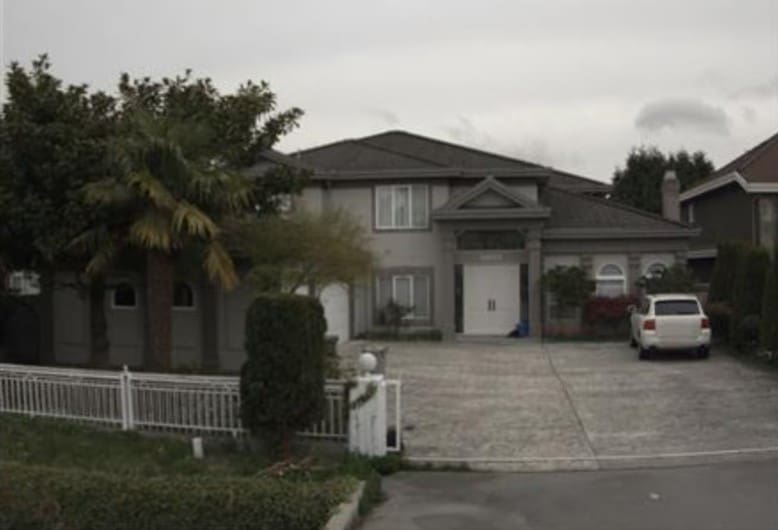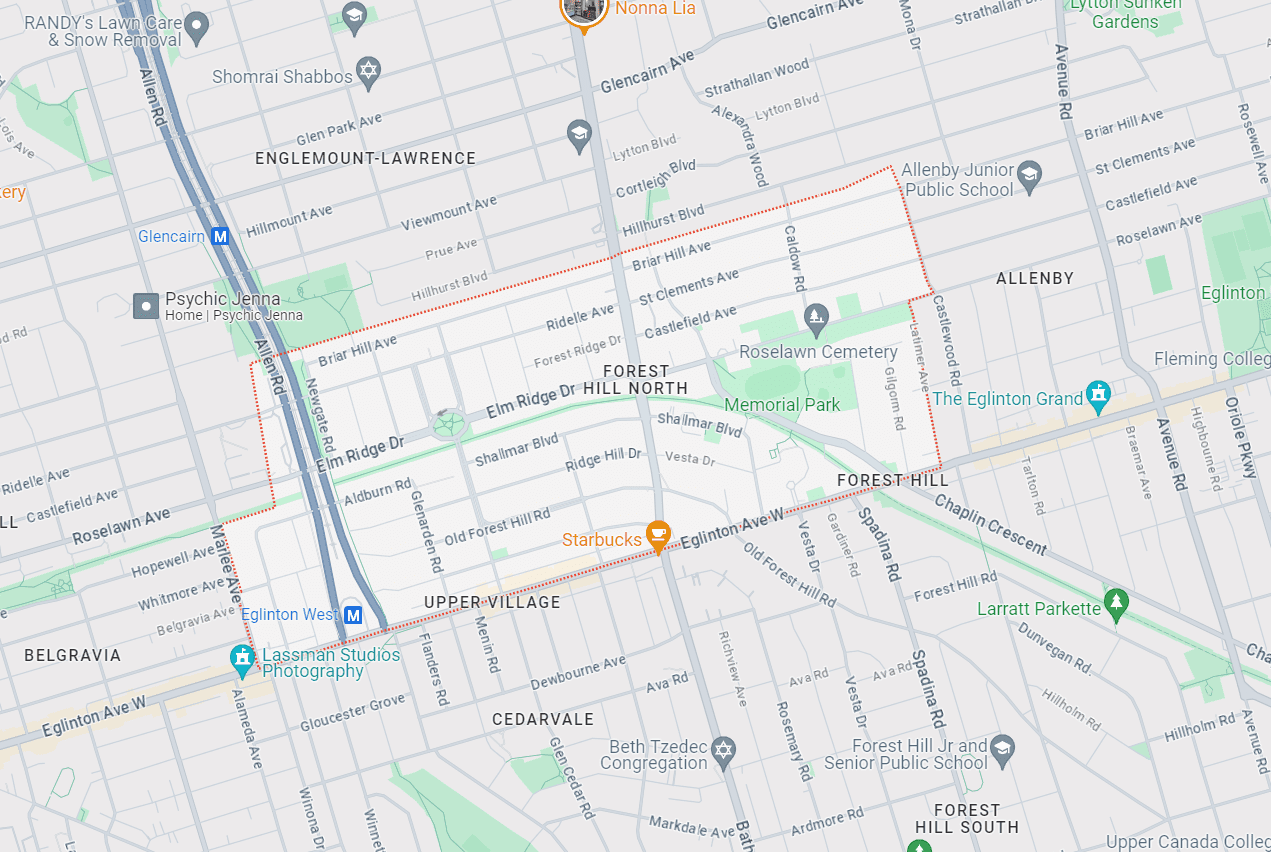



You are scrolling through GTA listings when a detached home catches your attention.
Same neighbourhood. Similar size. But the asking price looks noticeably lower than some of the other homes nearby.
Then you see the words:
Power of Sale.
Your first thought might be: “Is this a bank sale?”
And then: “Can I get this house for a huge discount?”
That is where buyers need to be careful.
Power of Sale listings have become more noticeable across the GTA. According to PropertyMesh’s GTA Power of Sale Tracker, there were 186 active Power of Sale listings at the end of September 2026, up 9% from the previous month.
Toronto had 63 active listings, York Region had 37, and Markham alone had 11.
However, this does not mean the GTA is suddenly facing a wave of distressed properties. PropertyMesh also notes that overall Power of Sale volumes remain relatively small, meaning a relatively small change in the number of listings can noticeably affect the monthly percentage.
For buyers and investors, the better question is not:
“Are there more Power of Sale homes?”
It is:
“Are these homes actually better deals?”
What Does Power of Sale Mean in Ontario?
A Power of Sale generally happens when a homeowner defaults on a mortgage and the lender exercises its right to sell the property to recover money owed under the mortgage.
Ontario’s Mortgages Act sets out rules surrounding the Power of Sale process.
Where a mortgage contains a Power of Sale provision, notice generally cannot be given until the default has continued for at least 15 days. The property generally cannot be sold until at least 35 days after notice has been given.
The proceeds from the sale may then be applied toward costs associated with the sale, mortgage interest, outstanding principal and certain other claims.
In simple terms:
The lender is selling the property to recover the secured debt.
That does not automatically mean:
“The bank just wants to get rid of the property for whatever someone will pay.”
Power of Sale Is Different From the Foreclosures Buyers Often See in the U.S.
When buyers hear terms such as “bank sale” or “distressed property,” they may imagine American foreclosure auctions where properties sometimes appear to sell at very large discounts.
Ontario works differently.
Power of Sale is the more commonly used process here. Instead of necessarily becoming the permanent owner of the property through foreclosure, the lender exercises the right to sell the property after default.
That means a Power of Sale listing on MLS should not automatically be viewed as a cheap bank-owned property.
It is still being exposed to the market, and other buyers may be looking at exactly the same opportunity.
Are Power of Sale Homes Actually Cheaper?
Sometimes.
But Power of Sale does not automatically mean bargain.
Imagine two similar detached homes in Markham.
Regular resale: $1.35M
Power of Sale: $1.25M
At first glance, the Power of Sale appears to be $100,000 cheaper.
But suppose the Power of Sale property needs:
- New flooring and painting
- Kitchen repairs
- HVAC replacement
- Bathroom work
- Landscaping
- Other deferred maintenance
If you need to spend another $70,000 to $100,000 after closing, that price difference can disappear very quickly.
That is why the right question is not:
“How much cheaper is the asking price?”
It is:
“How much is this property actually worth in its current condition?”
Asking Price Is Not the Same as Market Value
Suppose a detached Power of Sale property is listed for $999,000, while nearby homes are asking between $1.2M and $1.3M.
It can be tempting to think:
“I found a $200,000 deal.”
But first ask:
What have similar homes actually sold for?
Were those properties renovated?
Were they larger?
Did they have better lots?
Were they on quieter streets?
Did they have finished basements or upgraded kitchens?
A Power of Sale may be priced lower because it genuinely offers value.
Or the lower price may simply reflect:
condition + location + required repairs + additional uncertainty.
Recent comparable sales are usually much more useful than comparing asking prices alone.
Why Wouldn’t the Lender Just Accept a Huge Discount?
Buyers sometimes assume:
“The lender only wants its mortgage money back, so I can offer far below market value.”
That is not necessarily how the transaction works.
The lender is exercising a legal right of sale connected to a secured debt, and the property is generally exposed to the open market.
There may also be other financial interests affected by the sale.
So if a property is reasonably worth around $1.2 million in its current condition, buyers should not automatically expect the lender to accept $900,000 simply because the property is being sold under Power of Sale.
You can still negotiate.
But the words Power of Sale do not automatically create a massive discount.
The Bigger Difference May Be the Property Condition and Contract
In a typical resale transaction, the seller has often lived in the property and may know details such as:
- When the roof was replaced
- Whether the basement has experienced water problems
- How old the furnace is
- Which renovations were completed
- Whether appliances are working
- What repairs have been carried out
A lender selling under Power of Sale is in a different position.
The lender usually did not live in the property and may have limited knowledge about the home’s history or condition.
For that reason, the Agreement of Purchase and Sale may contain additional lender schedules and limitations on representations or warranties.
Buyers should therefore pay close attention to the exact terms of the agreement and have the documents reviewed by their lawyer.
“As Is” Does Not Automatically Mean “Bad House”
Some Power of Sale properties may be in reasonably good condition.
Others may require substantial work.
The Power of Sale label alone cannot tell you which one you are looking at.
And MLS photos cannot always tell you either.
RECO advises buyers to investigate the age and condition of major home systems, check permits where appropriate and consider a professional home inspection.
For a Power of Sale property, buyers may want to pay particular attention to:
- Roof
- Furnace and air conditioning
- Electrical system
- Plumbing
- Foundation
- Signs of water intrusion
- Unfinished repairs
- Overall maintenance
An $80,000 discount can disappear quickly if the home also needs $80,000 of work.
What About Appliances?
You walk into the kitchen and see a fridge, stove and dishwasher.
Downstairs there is a washer and dryer.
Do they all come with the property?
Do they work?
Will they still be there on closing?
Do not assume.
Buyers should make sure the Agreement of Purchase and Sale clearly identifies what appliances and fixtures are included.
This is especially important with a Power of Sale because the lender may have limited knowledge about those items.
What matters is what is actually included in the agreement and what representations or warranties, if any, are being provided.
Financing Still Matters
A lower purchase price does not automatically make financing simple.
Suppose you are pre-approved for up to $1.2M and find a Power of Sale listed for $999,000.
You may think:
“Perfect. I am well below my maximum.”
But mortgage approval is not based only on your purchase budget.
The lender may also consider the specific property, appraisal, condition, down payment and other underwriting requirements.
Being pre-approved does not guarantee that every specific property will receive final financing approval.
Before making a firm offer simply because the price looks attractive, confirm how the financing works for that property.
You Need a Repair Budget — Not Just a Purchase Budget
This is particularly important for investors and buyers considering properties that need work.
Imagine you have $300,000 available and use most of it for the down payment and closing costs.
Then you receive the keys and discover the property needs $60,000 in immediate repairs.
Where does that money come from?
A property can be affordable to buy but expensive to own.
When evaluating a Power of Sale, consider the full cost:
**Purchase price
- Closing costs
- Immediate repairs
- Renovations
- Financing and carrying costs
- Contingency for unexpected problems**
Only then can you properly compare it with a regular resale property.
How Should You Compare Power of Sale With Regular Resale?
Consider these two properties.
Property A — Power of Sale
Price: $1.10M
Estimated repairs: $90,000
Older kitchen
Older HVAC
Additional lender terms
Property B — Regular Resale
Price: $1.22M
Renovated
Move-in ready
Updated mechanical systems
At first, Property A looks $120,000 cheaper.
But after approximately $90,000 of repairs, the difference becomes much smaller.
Now imagine Property A is available for $999,000.
That becomes a very different calculation.
This is the key:
Power of Sale is not the opportunity by itself.
The price difference after accounting for condition and cost is what matters.
When Can a Power of Sale Be a Real Opportunity?
There can absolutely be worthwhile opportunities.
For example:
Comparable renovated homes: around $1.35M
Power of Sale: $1.08M
Estimated renovation and repairs: $100,000
There may still be enough of a gap to make the property worth investigating.
But now consider:
Comparable homes: $1.30M
Power of Sale: $1.18M
Estimated work: $100,000
That gives you:
$1.18M + $100K = $1.28M
before other transaction and carrying costs.
That may not be a bargain.
It may simply be a property priced lower because it needs significant work.
That distinction is important.
More Power of Sale Listings Does Not Mean You Should Only Search for Power of Sale
PropertyMesh reported 186 active GTA Power of Sale listings at the end of September 2026, up 9% from August.
Among those listings:
- 91 were detached homes
- 36 were condo apartments
- 25 were townhouses
- 18 were semi-detached homes
Toronto had 63 active listings.
York Region had 37.
Markham had 11.
Those numbers make Power of Sale worth watching.
But they do not mean buyers should suddenly search only for distressed properties.
Sometimes the Power of Sale will offer better value.
Sometimes a normal resale will.
Sometimes a motivated homeowner may be more negotiable than the lender.
The goal should not be:
“Find a distressed property.”
It should be:
“Find the property where the numbers make sense.”
A Better Way to Analyse a Power of Sale
Before making an offer, answer three questions.
1. What Would This Property Be Worth in Good Condition?
Look at recent comparable sales, not just asking prices.
2. What Is This Property Worth Today?
Adjust for condition, location, lot, size, renovations and any known issues.
3. What Will It Cost to Get the Property Into the Condition You Want?
Consider:
- Repairs
- Renovations
- Closing costs
- Financing and carrying costs
- Contingency for unexpected problems
Then compare that total with the regular resale properties available in the same market.
JDL Realty Perspective
For buyers, the first question should not be:
“Can you send me all the Power of Sale listings?”
A better question is:
“Which Power of Sale listings are actually priced better than the alternatives?”
If a Power of Sale detached home in Markham is asking $1.2M, we want to know:
- What have similar homes recently sold for?
- How much renovation does this property need?
- How does the lot compare?
- How long have nearby homes been sitting on the market?
- Could a regular resale property be negotiated to a similar price?
- Would it make more sense to renovate this property or spend more on something move-in ready?
A first-time buyer looking for a Toronto condo may reach one conclusion.
A Vaughan investor comfortable with renovations may reach another.
A Markham family looking for a move-in-ready detached home may reach another.
That is why we would not start with:
“Power of Sale is a bargain.”
We would start with:
“How does this specific property compare with everything else you could buy?”
Frequently Asked Questions
Are Power of Sale Homes Cheaper in Ontario?
Sometimes, but not automatically.
A lower price may represent a genuine opportunity, or it may simply reflect the condition of the property, required repairs, location or additional uncertainty.
Can I Make a Low Offer on a Power of Sale?
You can decide what you are willing to offer, but a lender is not automatically required to accept a deeply discounted offer because the property is being sold under Power of Sale.
Should I Get a Home Inspection?
A professional inspection can help buyers better understand the condition of major systems and potential repairs.
Whether an inspection condition is appropriate depends on the specific transaction and market situation.
Are Appliances Guaranteed?
Do not assume appliances are included or guaranteed to be working.
Review the Agreement of Purchase and Sale and lender schedules carefully.
Do I Still Need a Financing Condition?
That depends on the transaction and your lender.
Being pre-approved does not necessarily mean every specific property will automatically receive final financing approval.
Are Power of Sale Listings Increasing in the GTA?
PropertyMesh counted 186 active listings at the end of September 2026, up 9% month-over-month.
However, overall Power of Sale inventory remains relatively small, so the increase should be viewed as a noticeable trend rather than evidence of a widespread distressed-sale wave.
The Bottom Line
Power of Sale listings are becoming more noticeable across the GTA.
And some may offer real opportunities.
But:
Power of Sale does not automatically mean bargain.
The real calculation is:
purchase price + condition + repairs + financing + total risk.
A home listed $100,000 below nearby properties may be an excellent deal.
Or it may simply need $100,000 of work.
Before making an offer, ask:
- What have comparable homes actually sold for?
- What is this home worth in its current condition?
- How much work does it need?
- What exactly is included?
- What protections are included in the agreement?
- Does my financing work for this specific property?
- After everything is added together, am I actually getting a better deal than I could get in the regular resale market?
Looking for Power of Sale Opportunities in Toronto or the GTA?
Start with three pieces of information:
1. Your budget
2. Your preferred area
3. Your property type
For example:
$1.3M–$1.5M + Markham/Richmond Hill + Detached
or
Under $700K + Toronto/North York + Condo
JDL Realty can help you compare current Power of Sale listings with regular resale properties in Toronto, Markham, Richmond Hill, Vaughan and other GTA communities.
The goal is not simply to find the lowest asking price.
It is to determine:
whether the pricing actually makes sense.
If you are interested in current Power of Sale opportunities, contact JDL Realty with your budget + preferred area + property type and we can help you compare the options.

Your Industry Experts
We’re here to help. Whether you’re an agent or a client, we have the support and expertise you need to thrive in your next endeavour.